
Hospitality in India
Origins, practices and traveler tips

Travel Advisory
Personal guide services at quite reasonable rates. Check out India Travel Buddy
Wherever you journey you will get the most from the experience by enjoying the local food and drink. Everything tastes better when you are happy and relaxed. Read more at Taste the Place, Greek Island Wine
Also we have a villa to rent in Aliki, Paros that includes olive oil and vegetables grown on the premises. Greek island villas

Recent Events
We try to keep up with interesting events in our three blogs:
2025 Updates: India Guide
Indian Hospitality Towards Visitors
A Warm Welcome That Transcends Borders
When travelers step onto Indian soil, they
often speak of a feeling that goes beyond mere politeness—a
sense of being welcomed into a vast, extended family. This
“hospitality” is not a recent marketing gimmick; it is woven
into the very fabric of Indian culture. Below is a look at
why Indian hospitality feels so genuine, how it shows up in
everyday life, and what it means for the millions of
visitors who arrive each year.
The Roots of “Maitri” and “Atithi Devo Bhava”
At the heart of Indian hospitality lies
the ancient concept of Maitri (friendship) and the
oft‑quoted mantra Atithi Devo Bhava—“the guest is
God.” Originating from the Vedic scriptures, this philosophy
teaches that a guest brings blessings and should be treated
with reverence. Over centuries, the idea filtered into
everyday etiquette, from royal courts to humble village
homes.
Everyday Gestures That Speak Volumes

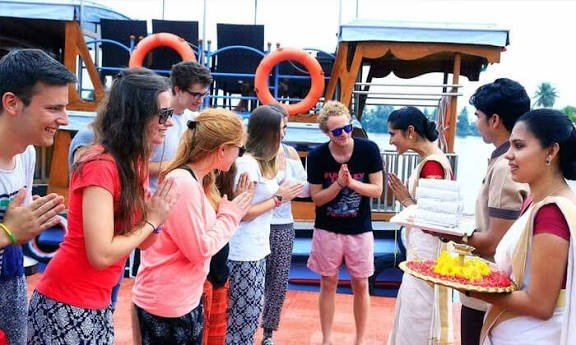
1. A Warm Greeting– The classic
“Namaste” (folded hands) is more than a greeting;
it’s an acknowledgement of the divine in the other person.
In many homes, a visitor is offered a seat on a comfortable
mat or a cushion, often the best spot in the room.
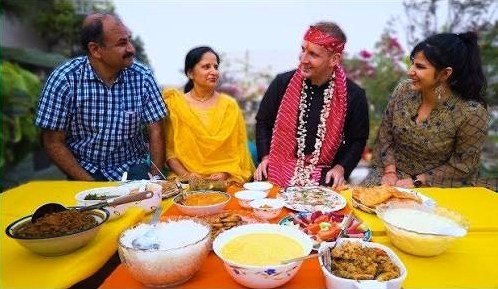
2. Food as a Gift – Sharing a meal is the
ultimate sign of hospitality. Whether it’s a simple
dal‑chawalin a roadside eatery or an elaborate
thali in a family home, the host will go the extra mile
to ensure the guest never eats alone. It’s common to hear,
“Please, have more,” even when the plate is already full.
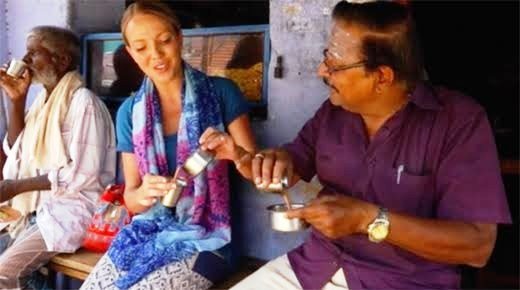
3. Offering Chai or Water – A steaming cup
of tea or a glass of cool water is often the first thing
offered to a guest. It’s a small ritual that breaks the ice
and creates a sense of comfort.
4. Listening with the Heart – In many
Indian interactions, the host gives the visitor undivided
attention, putting away distractions. This “active
listening” makes the guest feel valued and understood.
Regional Flavors of Welcome
India’s diversity means hospitality takes
on local flavors:
North India :-Guests are often greeted
with garlands of marigold and offered sweets like laddoo or
gulab jamun. In rural Punjab, you might be invited to a
langar(community kitchen) where everyone eats together on
the floor.
South India: A sambhar laden bananas leaf
meal is served on special occasions, and the host may
perform a brief pooja before the food is eaten, invoking
blessings for the guest.
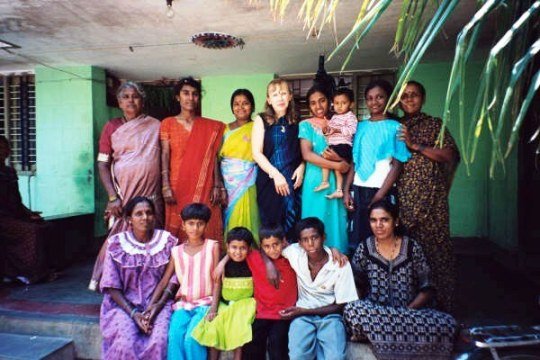
West India ( Gujarat & Maharashtra ):
Sweet dhudhi halwa or modak are common treats, and the
tradition of “bhojan” (hosting) is taken seriously,
with guests often staying for multiple meals.
East India: In Bengal, a guest is welcomed
with panchamrit (a mixture of five nectars) and
mishti(sweets). The tea‑time ritual is elevated with
darjeeling tea and pithas.
These regional nuances add depth to the
overall experience, showing that hospitality is not
monolithic but a mosaic of local customs.
The Impact on Tourism
India’s tourism statistics reflect the
power of this hospitality. According to the Ministry of
Tourism, over 10 million foreign visitors arrived in 2023,
many citing “friendly people” as a primary reason for their
trip. The “hospitality industry”—hotels, guesthouses, tour
guides—has grown in tandem, creating jobs and fostering
cultural exchange.
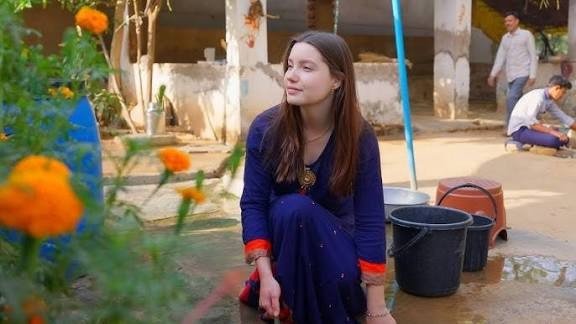
Word‑of‑mouth travels fast. A traveler who
receives a genuine “Welcome, you are family now” is likely
to share that story, bringing more visitors and boosting
local economies.
Challenges and Opportunities
While the reputation for warmth is strong,
rapid urbanization and the pressures of modern life can
sometimes dilute the traditional openness. In bustling
metros, interactions may feel transactional. However, many
initiatives aim to preserve the ethos:
Training Programs: Hospitality schools
incorporate "Atithi Devo Bhava" in their
curriculum, teaching students to balance efficiency with
empathy.
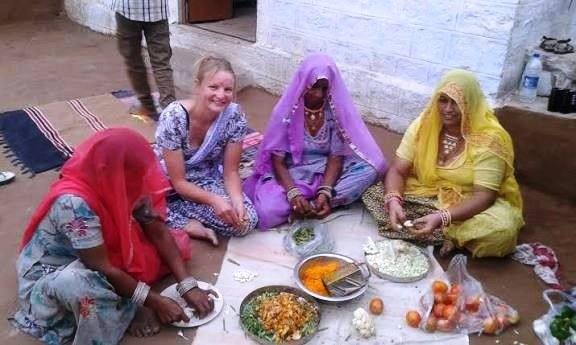
Community Tourism: Rural homestays
encourage visitors to live with families, offering an
authentic slice of Indian life and reinforcing the age‑old
guest‑host bond.
Digital Platforms: Apps that connect
travelers with local hosts promote personal interactions,
keeping the spirit of hospitality alive in the digital age.
How Visitors Can Experience Indian Hospitality
1. Accept Invitations– If a local offers
you a meal or a cup of tea, say “yes.” Even a brief
acceptance signals respect for the culture.
2. Show Gratitude – A simple “thank you”
(dhanyavaad) or a small token like locally made sweets goes
a long way.
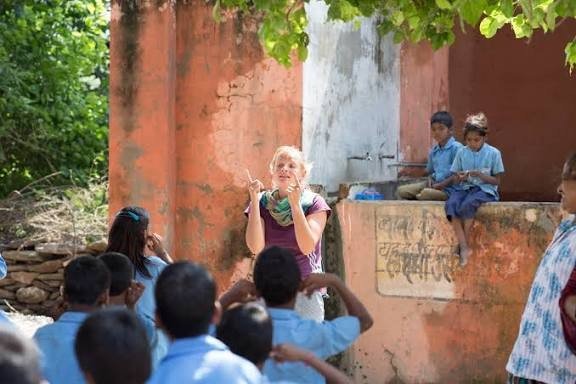
3. Learn a Few Phrases – Greetings in the regional language
(e.g., “Namaste”in Hindi, “Vanakkam” in Tamil) show effort
and are often reciprocated with smiles.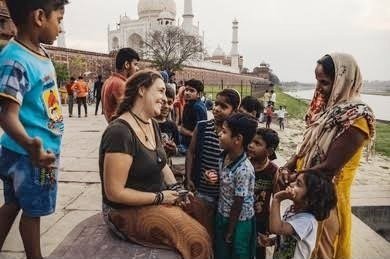
Photo Credit: Shutterstock 2412060907
Photo Credit: Shutterstock 2412060907
4. Be Open to Sharing – Engage in conversations, ask about
local customs, and share a bit about yourself. Hospitality
is a two‑way street.
Closing Thoughts
Whether you’re wandering the bustling
streets of Delhi, trekking the serene hills of Kerala, or
camping under the stars in the Rajasthan desert, you’ll find
that the essence of Indian hospitality is always waiting,
ready to welcome you home.
Overview of one of the world’s oldest, richest, and most diverse cultural tapestries




Heading 1
This is an example of the content for a specific image in the Nivo slider. Lorem ipsum not available so I'll just type a bunch of stuff....
Heading 2
This is an example of the content for a specific image in the Nivo slider. Lorem ipsum not available so I'll just type a bunch of stuff....
Heading 3
This is an example of the content for a specific image in the Nivo slider. Lorem ipsum not available so I'll just type a bunch of stuff....
Heading 4
This is an example of the content for a specific image in the Nivo slider. Lorem ipsum not available so I'll just type a bunch of stuff....

Our experience will enhance your experience!









Let's Get Social!
Follow us on Twitter or become our Facebook friend.


See our Privacy Policy on the Privacy page.
Copyright 2011 to 2025 by Michael Shepherd. All Rights Reserved.