
Culture in India
One of the world’s oldest, richest, and most diverse cultural tapestries

Travel Advisory
Personal guide services at quite reasonable rates. Check out India Travel Buddy
Wherever you journey you will get the most from the experience by enjoying the local food and drink. Everything tastes better when you are happy and relaxed. Read more at Taste the Place, Greek Island Wine
Also we have a villa to rent in Aliki, Paros that includes olive oil and vegetables grown on the premises. Greek island villas

Recent Events
We try to keep up with interesting events in our three blogs:
2025 Updates: India Guide
Indian Culture
Indian culture is one of the world’s
oldest, richest, and most diverse cultural tapestries. For
foreign visitors, it can feel vibrant, complex, and
endlessly fascinating. This overview highlights key cultural
features that can help you better understand and appreciate
India during your visit.
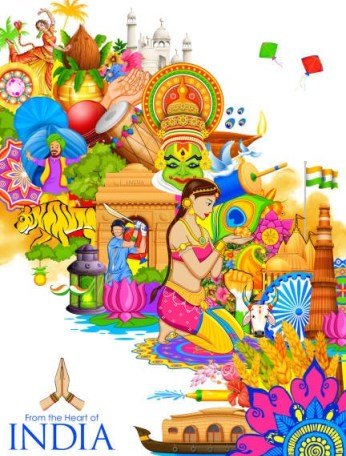
A Living Heritage:
India’s cultural history stretches back thousands of years.
Ancient civilizations, such as in the Indus Valley, laid
early foundations for art, architecture, philosophy, and
social practices. Over time, waves of influence—from Central
Asian dynasties to the Mughals to British colonial
rule—shaped the country’s traditions while preserving a
strong indigenous identity.
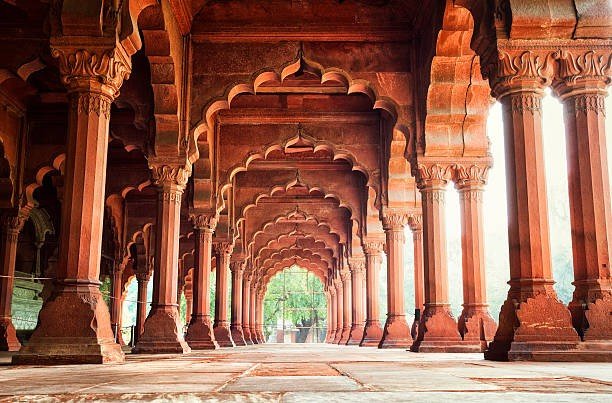
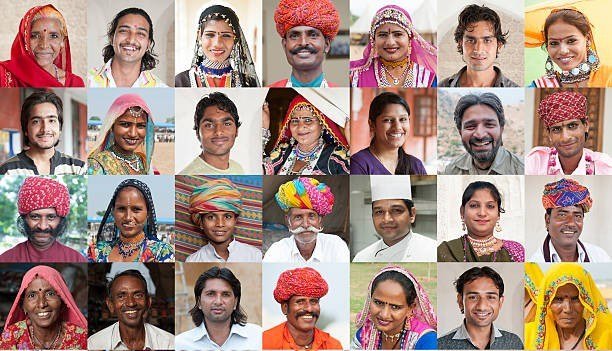
Diversity as a Defining Feature: India is
not a monolith. Each region has its own languages, foods,
festivals, clothing, music, and customs. The country
recognizes 22 official languages, and most Indians grow up
multilingual. This diversity extends to faith as well:
Hinduism, Islam, Christianity, Sikhism, Buddhism, and
Jainism coexist, often influencing one another.
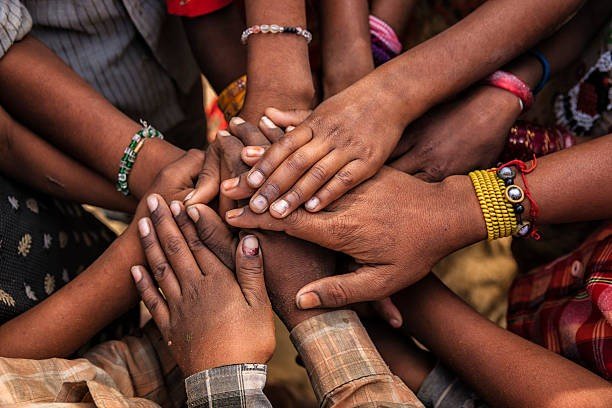
Family and Social Bonds: Family plays a
central role in Indian life. It is common to find close-knit
extended families living together or maintaining strong
involvement in each other’s daily routines. Respect for
elders is deeply ingrained, and decisions—especially around
marriage, education, or career—are often made collectively.
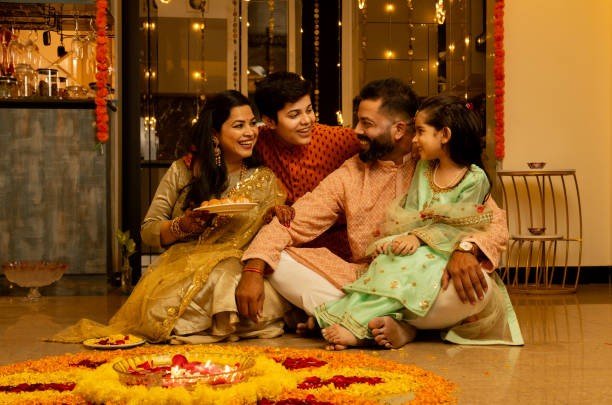
Festivals and Celebrations: India’s calendar
is full of festivals. Diwali, the Festival of Lights,
celebrates the triumph of good over evil. Holi, the Festival
of Colors, marks the arrival of spring with joyful
color-throwing. Eid, Christmas, Vaisakhi, Onam, Durga Puja,
and many others reflect the country’s multicultural fabric.
Most celebrations are marked by music, dance, food, and a
strong sense of community.
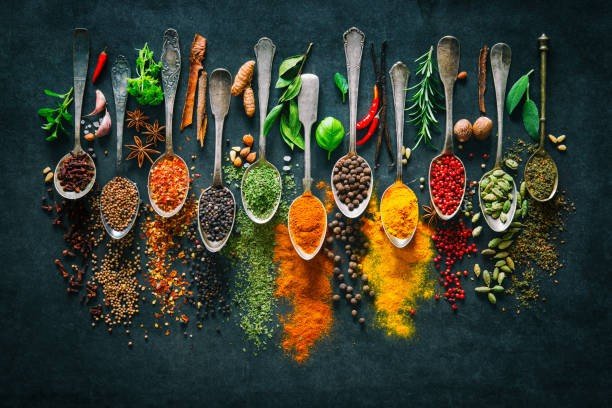
Food as a Cultural Language: Indian cuisine varies dramatically from region to region. Northern dishes often feature wheat, dairy, and rich gravies; southern cuisine emphasizes rice, lentils, coconut, and spices; eastern India is known for sweets; while western regions offer both hearty vegetarian specialties and coastal seafood dishes. Spices don’t always mean “spicy”—they are used to build layers of flavor.
Spirituality and Philosophy: India is the
birthplace of several major religions and philosophical
systems. Concepts such as karma, dharma, and yoga have
influenced global thinking. Many visitors find India’s
spiritual traditions—whether practiced in temples, mosques,
churches, gurdwaras, or meditation centers—deeply impactful.
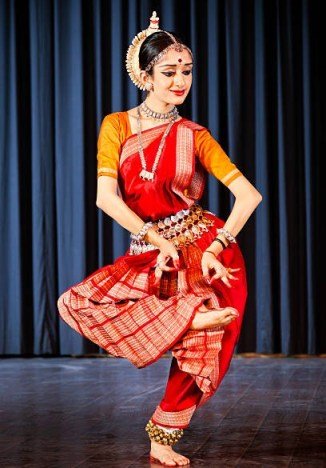
Arts,
Music, and Dance: India’s artistic
traditions range from classical forms like Bharatanatyam,
Kathak, Odissi, and Carnatic and Hindustani music to folk
dances, Bollywood cinema, and contemporary art. Handicrafts,
from intricate textiles to pottery and woodwork, reflect
centuries-old craftsmanship.
A
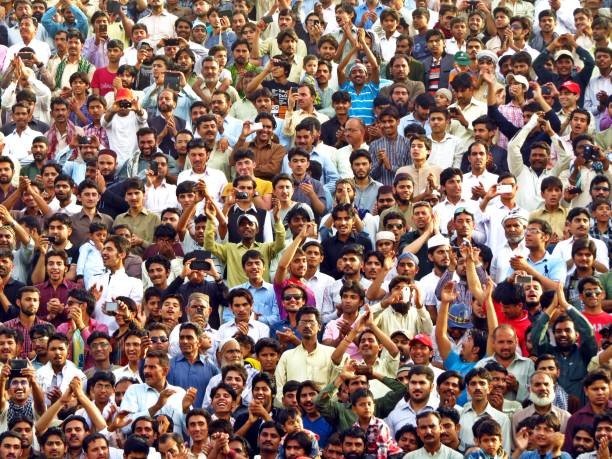
Culture of Warmth and Curiosity: Most
Indians are deeply curious about visitors and take pride in
sharing their culture. Conversations may be warm and
personal, even early in an acquaintance. Patience and an
open mind go a long way in navigating the country’s
energetic pace and diversity.
Everyday Etiquette for Visitors:
Foreign travelers are generally welcomed warmly, but understanding a few cultural norms helps.
-Dress modestly, especially at
religious sites.
-Remove shoes before entering temples
and some homes.
-The right hand is traditionally used
for greeting, eating, and giving items.
-Public displays of affection are
limited in many communities.
-Hospitality is highly valued—don’t be
surprised if strangers offer help or tea.
Conclusion:
Indian culture is an
ever-evolving blend of ancient traditions and modern
innovation. For foreigners, experiencing India means
engaging with its colors, rhythms, contradictions, and
generosity. Those who arrive with curiosity often leave with
lasting memories and a deeper appreciation for one of the
world’s most dynamic cultural landscapes.

Article by Archi Verma, India Travel Buddy
Photos from istock.
Information for various Indian cities here. More on art, music and dance here.
Christians in India here. Muslim's Ramzan here.
You can make a $25 loan to Asia's working poor:





Heading 1
This is an example of the content for a specific image in the Nivo slider. Lorem ipsum not available so I'll just type a bunch of stuff....
Heading 2
This is an example of the content for a specific image in the Nivo slider. Lorem ipsum not available so I'll just type a bunch of stuff....
Heading 3
This is an example of the content for a specific image in the Nivo slider. Lorem ipsum not available so I'll just type a bunch of stuff....
Heading 4
This is an example of the content for a specific image in the Nivo slider. Lorem ipsum not available so I'll just type a bunch of stuff....

Our experience will enhance your experience!









Let's Get Social!
Follow us on Twitter or become our Facebook friend.


See our Privacy Policy on the Privacy page.
Copyright 2011 to 2026 by Michael Shepherd. All Rights Reserved.